Home · Services · HVAC Tune-Up & Maintenance
HVAC Tune-Up & Maintenance in Clearwater, FL
Quick answer
Two-season tune-ups for Clearwater: spring coil and charge checks, fall combustion and carbon monoxide checks, readings in writing in Clearwater, shaped by block ranch grid homes, canal and waterfront homes, and corridor condos where salt air corrosion, near continuous summer load, and hot attic duct losses drive the call pattern.
HVAC Tune-Up & Maintenance in Clearwater starts with the local read: fifties and sixties block ranch homes across the central grid, waterfront and canal homes along the bay and intracoastal side, condo towers and park stock along the corridors, and newer subdivision homes on the east edge. The Stevenson Creek side of the service area and the city's hot humid summers with daily storm bursts, mild winters, and salt air off the gulf year round set the order of work, and the scope names that order in writing before anyone commits to a price.
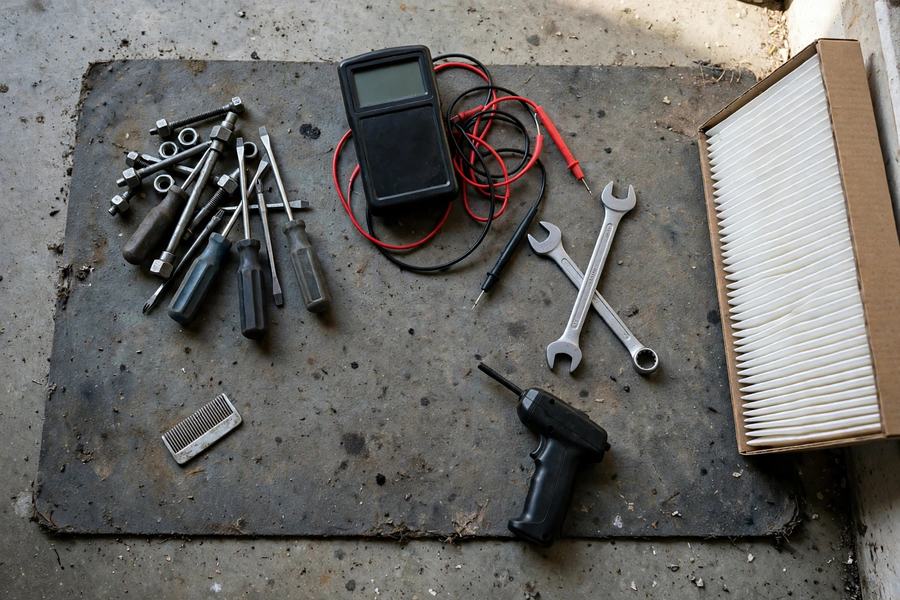
How we approach this job
Prevention economics: For hvac tune-up & maintenance in Clearwater, the buying situation is timing: a planned, lower-cost visit now against an emergency visit later, priced honestly against each other.
Signs you need hvac tune-up & maintenance
- The first hot or cold week is a month or two away. It usually means the condensate path is loading toward an overflow.
- Bills crept up last season with no change in weather or use. It usually means readings now can price the equipment's remaining life honestly.
- The system is under a warranty or a home sale timeline that values service records. It usually means documented maintenance is evidence in warranty claims and a line item buyers actually pay for.
- Drain lines and pans have never been checked and the handler sits above finished space. It usually means an unchecked condensate line above finished rooms is a ceiling stain with a date on it; the tune up is where it gets found.
What the job involves
What affects the price
- One system versus multiple systems on the property
- Cooling only, heating only, or a combined seasonal visit
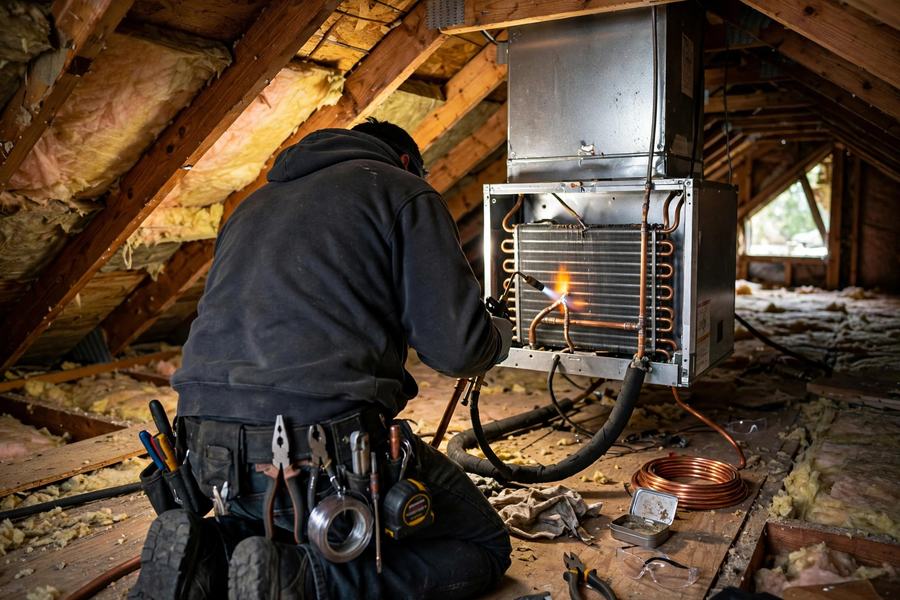
- Access: attic and rooftop units price above ground level equipment
- Findings that turn maintenance into a repair quote, always priced separately and never bundled silently
When it is an emergency
A tune up is planned work, best done in the shoulder weeks before the season turns, when schedules are open and findings can be acted on calmly. The exception is the condensate drain above finished space: if that pan or line has never been checked, the visit that clears it is cheap insurance against a ceiling, and it should not wait for a season boundary.
PLACEHOLDERHVAC Tune-Up & Maintenance across the Clearwater area
Related services
AC Repair
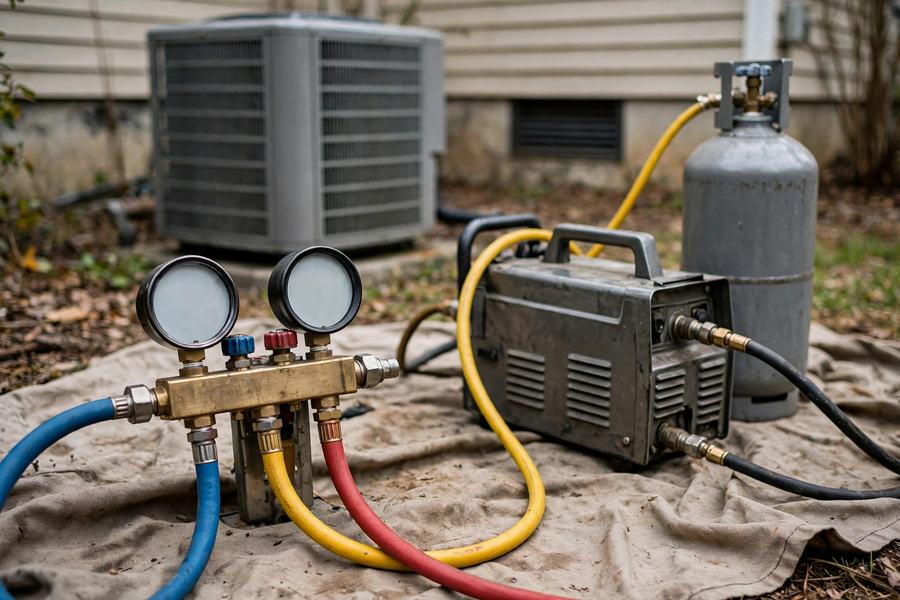
AC repair for Clearwater homes where 100-degree valley heat, dust-loaded filters, and baked attic ducts set the diagnosis order in Clearwater, shaped by block ranch grid homes, canal and waterfront homes, and corridor condos where salt air corrosion, near continuous summer load, and hot attic duct losses drive the call pattern.
Emergency HVAC Service
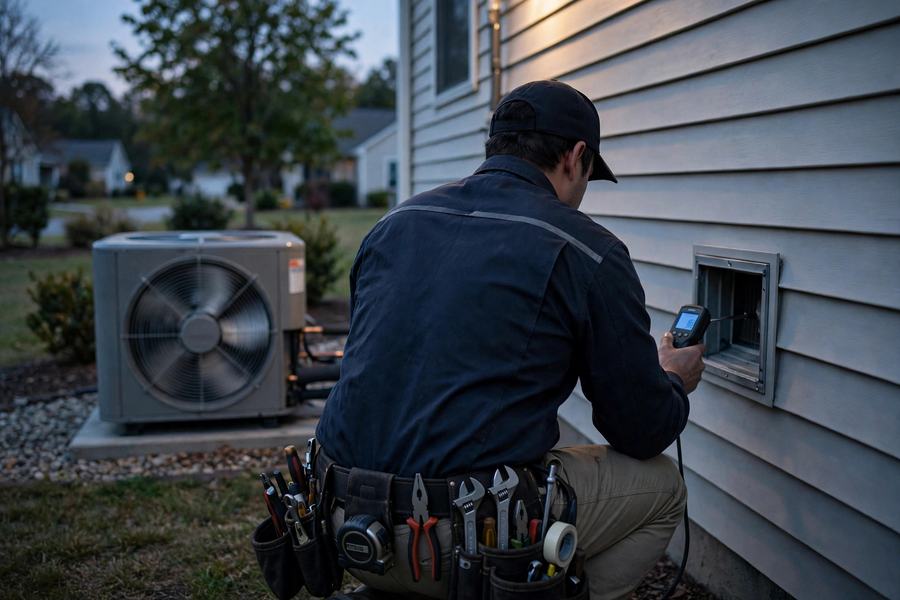
Honest emergency triage in Clearwater: heat-wave no-cool calls ranked by who is in the house, no-heat calls ranked the same way in Clearwater, shaped by block ranch grid homes, canal and waterfront homes, and corridor condos where salt air corrosion, near continuous summer load, and hot attic duct losses drive the call pattern.
Furnace & Heating Repair
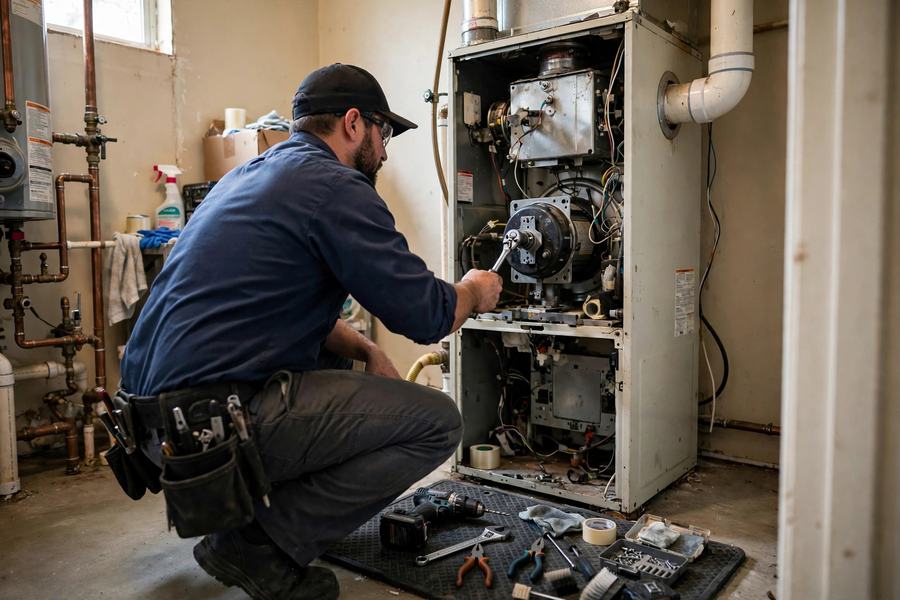
Furnace repair in Clearwater, shaped by block ranch grid homes, canal and waterfront homes, and corridor condos where salt air corrosion, near continuous summer load, and hot attic duct losses drive the call pattern.
HVAC System Replacement
System replacement in Clearwater with the valley load and sun exposure sizing basis named in the written scope, not assumed in Clearwater, shaped by block ranch grid homes, canal and waterfront homes, and corridor condos where salt air corrosion, near continuous summer load, and hot attic duct losses drive the call pattern.
HVAC Tune-Up & Maintenance questions, answered
When is hvac tune-up & maintenance an emergency?
A tune up is planned work, best done in the shoulder weeks before the season turns, when schedules are open and findings can be acted on calmly. The exception is the condensate drain above finished space: if that pan or line has never been checked, the visit that clears it is cheap insurance against a ceiling, and it should not wait for a season boundary.
What affects the price of hvac tune-up & maintenance in Clearwater?
The main price factors for hvac tune-up & maintenance are covered in the cost section above. The contractor confirms the exact price in a written estimate after seeing the job, and nothing is owed until you approve it. The call and the referral are free.
Is a heat pump a good fit for Clearwater?
For most homes here, yes: winters are mild enough that a heat pump carries nearly all heating hours efficiently, and the same equipment handles the long cooling season. The honest caveats are the cold canyon nights, when output dips, and correct sizing for valley heat. A good scope names the balance expectations for this climate rather than copying a coastal sales sheet.
Why is my Clearwater upstairs always hotter than downstairs?
Usually ducts and sun, not the unit. Attic duct runs bake all afternoon, leaks pour cooled air into the attic, and west-facing upstairs glass loads the rooms the system reaches last. The diagnosis order is airflow read, duct condition, then equipment, because replacing a unit behind leaking ducts buys a newer version of the same complaint.
My AC runs but will not cool the house. What are the usual causes in Clearwater?
In order of how often they are found: a clogged filter or blocked airflow, a failed capacitor or fan component, low refrigerant from a leak (refrigerant is not consumed; low means leaking), a frozen coil from any of the above, and duct failures dumping cooled air into the attic. Runtimes of many hours without reaching the set point are the classic forum complaint and they sort into the same list. Turn a frozen system off and run the fan to thaw it, and never approve a refrigerant recharge without a leak search; topping off a leaking system is a subscription, not a repair.
Request a callback
Prefer to talk later? Leave your details and an independent local pro will call you back. No charge to you, no obligation.
Stevenson Creek Air is a free referral service. Submitting this form connects you with independent local contractors who provide the work.